
Managed Gas Transition

The UK is undergoing a significant energy transition, with rapid expansion of renewables, electrification of heat and transport and a long-term commitment to phase out unabated fossil fuels. Despite this trajectory, natural gas remains critical to system resilience—providing over 35% of electricity generation in some periods and supplying more than 80% of heating demand. The central policy challenge is balancing near-term security with long-term decarbonisation, avoiding both supply risk and stranded fossil assets.
Maintain sufficient flexible gas capacity and robust storage while accelerating investment in clean, firm alternatives.
This ensures reliability in the 2020s and early 2030s without locking the UK into unnecessary fossil fuel dependence.
A. Strengthen Gas Security Without Expansion of Long-Term Reliance
B. Rebuild UK Seasonal Gas Storage
“
Flexible gas capacity currently underpins system reliability during low renewable output.
C. Accelerate the Build-Out of Clean Firm Power
D. Reduce Structural Gas Demand Through Heat Decarbonisation
E. Provide a Clear, Managed Phase-Down Pathway

A secure, low-carbon UK energy system requires managed reliance on flexible gas in the near term, combined with a rapid, decisive scale-up of clean firm power, heat electrification and storage. By prioritising storage, diversification of supply and market reforms that reward flexibility, the UK can safeguard energy security while accelerating the transition to net zero.
Discover how Pure energy (REGen) Ltd adds value to renewable energy projects and accelerates your sustainable energy transition. Contact us on +44 (0) 1382 657457 or email [email protected].
Services (UK/International)
Technologies


The UK energy system is undergoing a structural shift. As the country acceler...
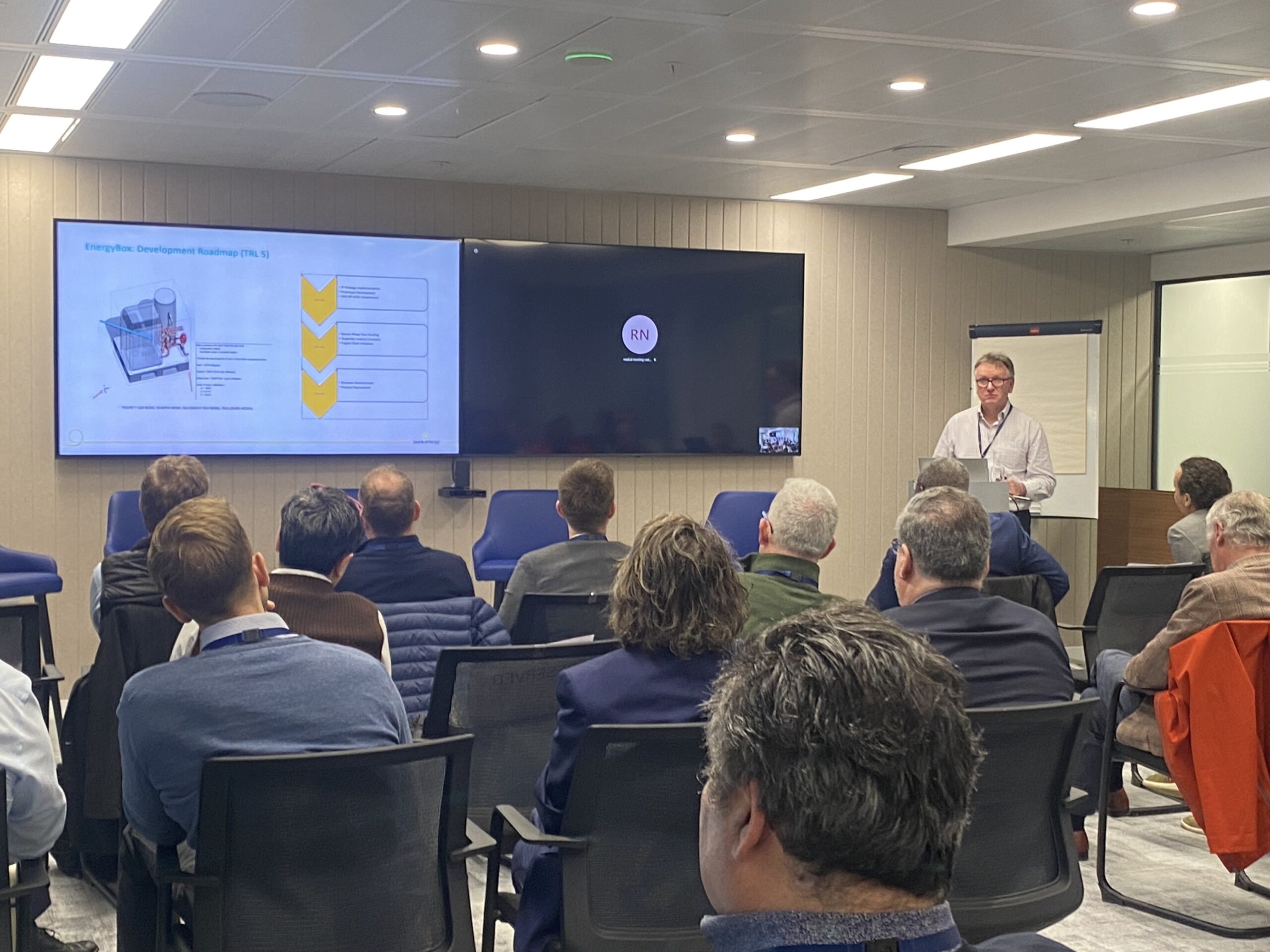
Turning Clean Energy Innovation into Bankable Projects The energy transiti...

Electric Vehicle Ultra-Fast Charging and Solar Carport Efficiencies Accele...
Securing UK Gas Supply While Scaling Up Clean Energy Managed Gas Transition ...
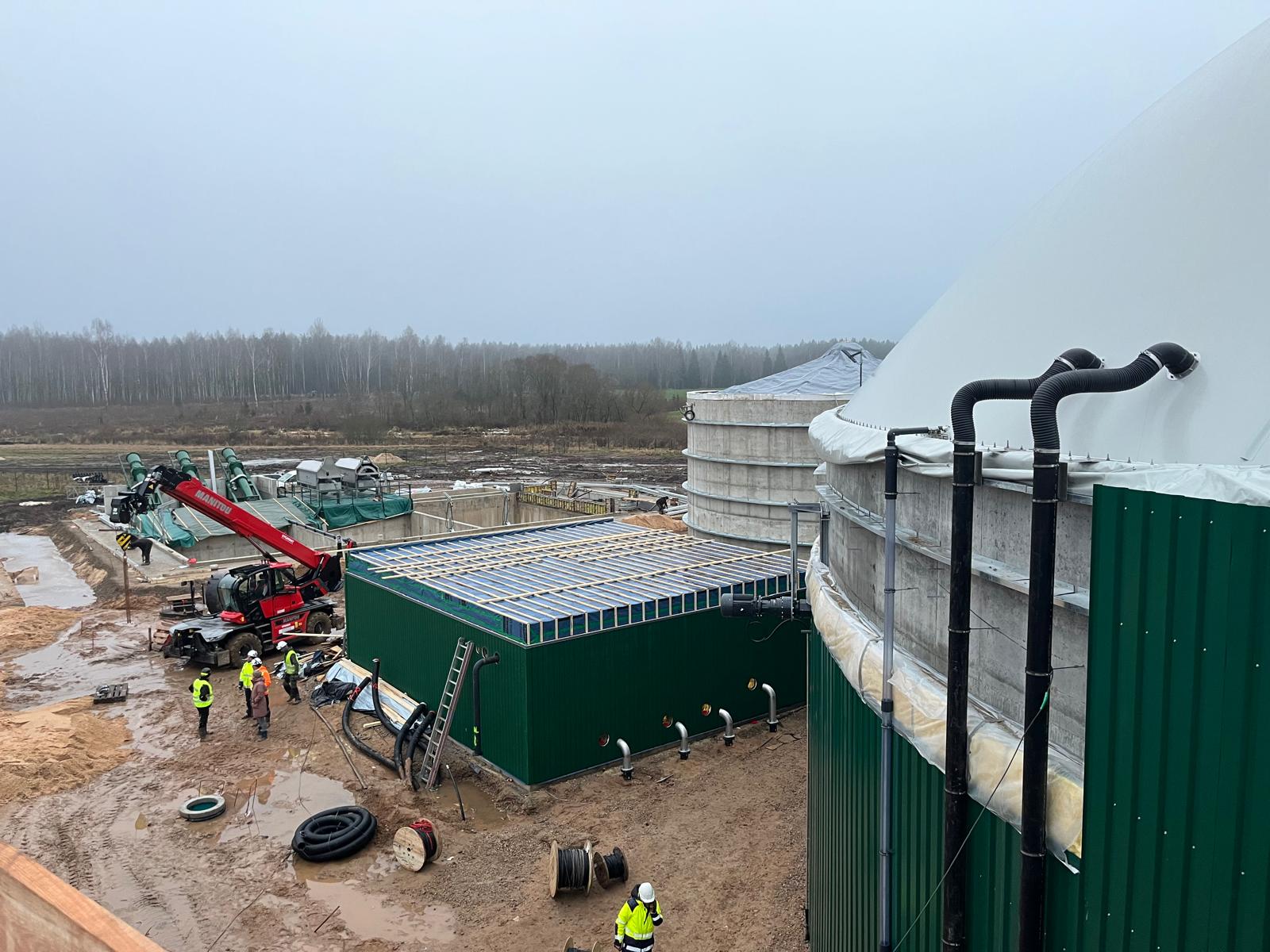
Independent Technical Due Diligence Site Visits for a Biomethane Project in L...

The Hidden Power of Integration: Why Renewable Technology Advisory Matters Mo...