Bridging the Gap to Net Zero

The energy transition is not limited by an innovation shortage. It’s commonly constrained by the challenge of converting proven clean energy technologies into bankable, insurable and scalable projects.
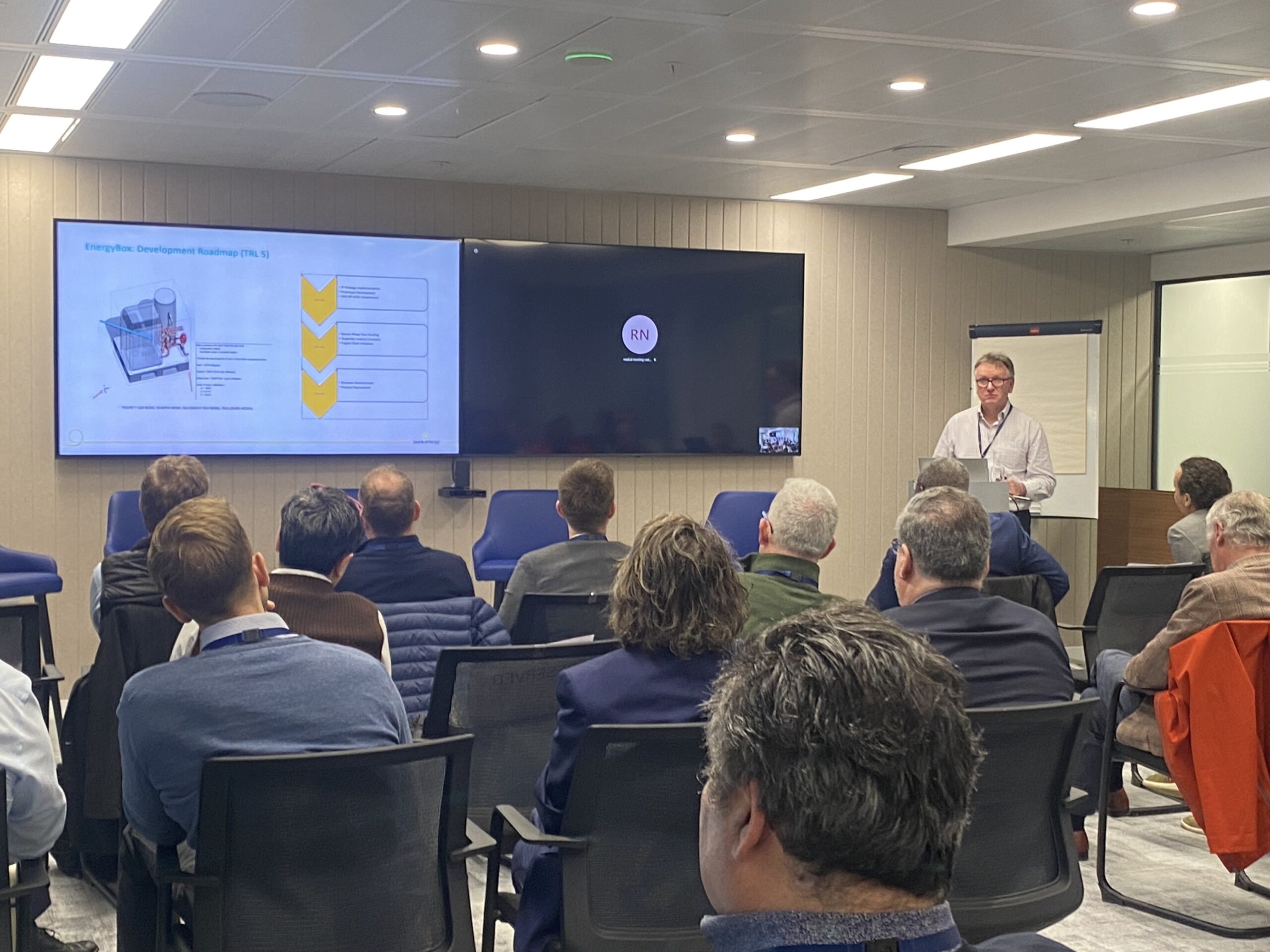
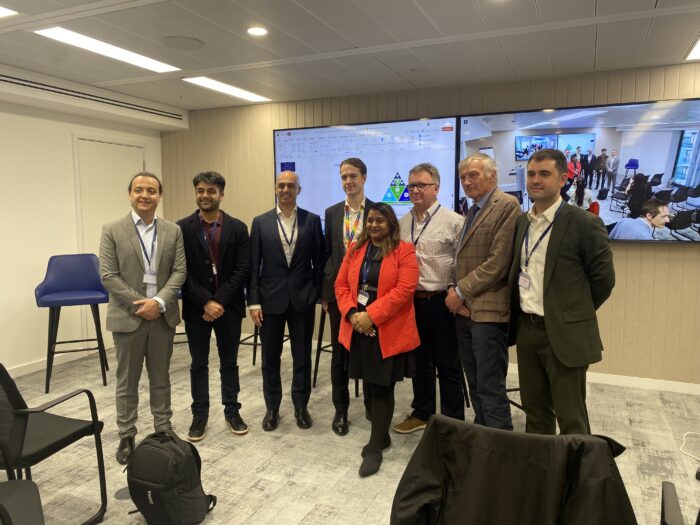
This was the central theme at Bridging the Gap to Net Zero: Energy Technology, Investment & Risk, co-hosted by DNV and Kantar Advisory Partners (KAP) at DNV’s London offices in 2025. The event brought together startups, investors, insurers, technical validators and corporates to examine how trust, validation and risk-sharing can accelerate deployment of low-carbon solutions.
Across panel discussions and technical deep-dives, one message was clear: the “scale-up gap” between early-stage technologies and commercial deployment remains a major barrier to achieving net zero.
Independent technical validation, early engagement with insurers and clearer risk allocation were repeatedly identified as critical enablers. Without these, even technically robust solutions struggle to attract investment or progress through procurement and delivery.
DNV’s insights reinforced the value of structured assurance frameworks and digital validation pathways. When technical and performance risks are addressed early, investor confidence increases, insurance shifts from a late-stage obstacle to an enabler and projects move more quickly towards financial close.
Pure energy was selected to present EnergyBox™, our compact, plug-and-play ground source heat pump (GSHP) system designed to simplify and accelerate the deployment of ultra-efficient, low-carbon heating. EnergyBox™ integrates a high-efficiency heat pump, buffer tank, controls, hydraulics, sensors and monitoring into a single, factory-assembled enclosure, paired with a rapid ground-loop connection.
By standardising component assembly and installation, EnergyBox™ removes much of the bespoke engineering typically associated with GSHP projects. The system is designed for residential and smaller commercial buildings and supports both direct ownership and Heat-as-a-Service delivery models.
The follow-up discussion highlighted growing demand for integrated onsite energy systems, particularly from residential users seeking resilience, decarbonisation and cost certainty. Solutions that reduce interface risk and simplify delivery are increasingly viewed as investment-ready. EnergyBox™ responds directly to this need by lowering system complexity, accelerating deployment timelines and enabling more predictable performance outcomes—key factors in improving project bankability.
Another event takeaway was the critical role of collaboration within infrastructure deployment. Policy, finance and technology must all align early in the project lifecycle if net zero ambitions are to be delivered at pace.
Mutual reliance between these core elements enables improved risk distribution, shorter development timelines and stronger commercial outcomes. Launch of the “Bridging the Gap” Working Groups reflects a move from discussion to action, with a focus on bankability pathways, project structuring and real-world pilot deployment.
“
Net zero at scale depends on trust, validation and bankable delivery
The event emphasised a core principle that underscores our approach to renewable energy infrastructure delivery: innovation alone is rarely enough. Technologies must be adequately supported by assurance, integration and delivery disciplines to achieve efficient deployment scale.
Whether through solutions such as EnergyBox™ or integrated renewable infrastructure projects, bridging the gap to net zero requires trusted pathways that convert ambition into investable, deliverable outcomes.
We look forward to continued collaboration across the energy ecosystem to accelerate the deployment of low-carbon solutions at scale.
To learn more about how Pure energy (REGen) Ltd supports the delivery of bankable, integrated low-carbon energy solutions through systems such as EnergyBox™ and renewable infrastructure, contact us on +44 (0)1382 657457 or email [email protected]
Services (UK/International)


Turning Clean Energy Innovation into Bankable Projects The energy transiti...

Electric Vehicle Ultra-Fast Charging and Solar Carport Efficiencies Accele...

Securing UK Gas Supply While Scaling Up Clean Energy Managed Gas Transition ...
Independent Technical Due Diligence Site Visits for a Biomethane Project in L...

The Hidden Power of Integration: Why Renewable Technology Advisory Matters Mo...

Both UK regulators and utility companies are facing a surge in electricity an...